Discovering Malaysia’s Light, Medium and Heavy Industry: Why It Matters When Choosing Industrial Land
Malaysia’s economy thrives on the synergy of various industrial sectors, each playing a significant role in the nation’s development and industrialisation. Whether you’re a business owner, investor, or developer, understanding the type of industry your business falls under—light, medium, or heavy—is crucial when choosing industrial property.
Making the right decision can determine whether your project approval is smooth or delayed, and whether your business remains compliant with environmental laws and zoning regulations.
Types of Industrial Properties in Malaysia
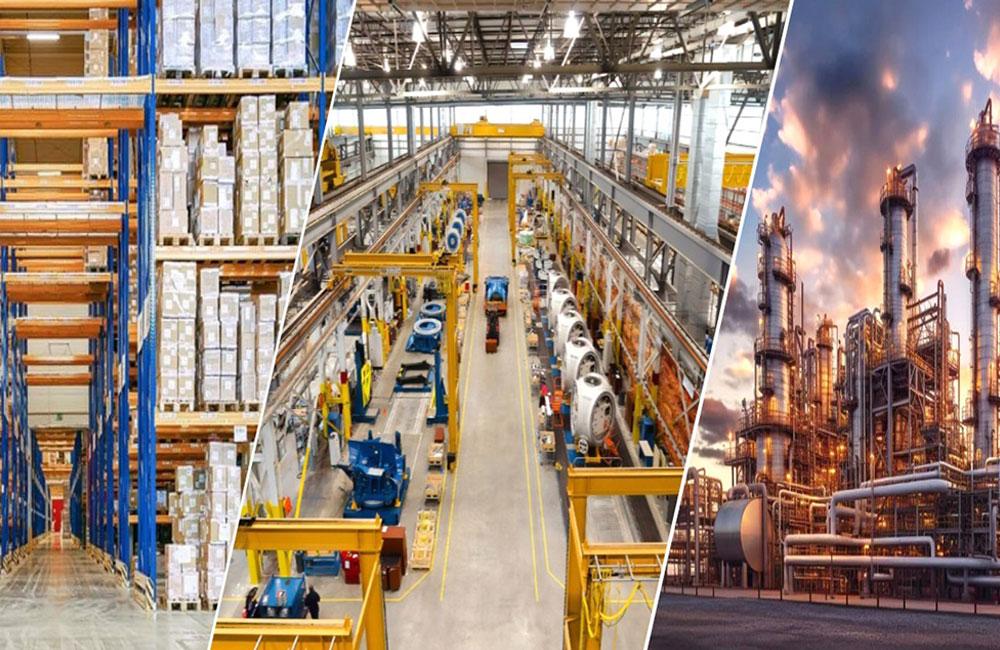
Industrial land in Malaysia is typically classified into three categories based on the scale of operations, pollution level, and infrastructure needs:
1. Light Industry
These are small-scale operations focused on consumer goods and less intensive production. They are more environmentally friendly, requiring less energy and water, and produce lower pollution levels.
Common Examples:
- Food processing (e.g. bottling, snacks)
- Textile production
- Furniture and wood products
- Electronics and consumer appliances
- Rubber and plastic products
Key Traits:
- Small-scale operations
- Low energy/water consumption
- Minimal pollution
- Typically located closer to residential zones
2. Medium Industry
These industries sit between light and heavy. They usually produce semi-finished or specialized goods and may require moderate infrastructure and resource consumption.
Common Examples:
- Vehicle assembly and parts
- Machinery manufacturing
- Pharmaceuticals and chemical products
- Glass, cement, and non-metallic mineral products
Key Traits:
- Medium-scale production
- Moderate pollution and resource use
- Often located in dedicated industrial parks
🔺 3. Heavy Industry
Heavy industries are large-scale, resource-intensive operations focused on raw materials or capital goods. They significantly impact the environment and require substantial infrastructure and space.
Common Examples:
- Mining and petroleum extraction
- Iron and steel production
- Shipbuilding, defence equipment
- Power plants and large machinery production
Key Traits:
- High energy and water usage
- Significant pollution output
- Strict buffer zone requirements
- Usually located far from residential areas
Summary Table: Key Differences
| Feature | Light Industry | Medium Industry | Heavy Industry |
|---|---|---|---|
| Scale of Operations | Small | Medium | Large |
| Product Type | Consumer goods | Semi-finished/ specialized goods | Raw materials/ capital goods |
| Pollution | Low | Moderate | High |
| Energy Use | Low | Moderate | High |
| Water Use | Low | Moderate | High |
Buffer Zones: Why They Matter
A buffer zone is a required minimum distance between industrial sites and nearby residential areas. It protects the public from industrial pollution such as noise, dust, smoke, and vibrations.
Buffer Zone Guidelines in Malaysia:
- Light Industry: min 50 meters
- Medium Industry: min 150 meters
- Heavy Industry: min 300 meters
Note:
Buffer zone requirements may be adjusted depending on location density and local municipal requirements. For instance, a factory in a city centre may need a larger buffer than one in a remote industrial park.
These regulations are enforced under the Environmental Quality Act 1974, which ensures proper air quality and noise control for nearby communities. Non-compliance may result in fines, delays, or operational suspension.
How Knowing Your Industry Type Helps
- Faster Development Approval: Authorities will assess whether your proposed activity matches the land category and complies with buffer zone rules.
- Smoother Application Process: Avoid delays or rejections caused by submitting incorrect industrial classifications.
- Better Land Selection: Certain zones only allow light or medium activities—placing a heavy industry operation there could be rejected outright.
- Cost-Efficient Planning: Infrastructure requirements vary—heavy industries may require power substations or water treatment, while light industries may not.
Final Thoughts: Choose Industrial Land Wisely
Before purchasing or leasing industrial property in Malaysia, conduct due diligence, consult town planners or property consultants, and ensure your proposed activities align with the land category. This way, you’ll save time, money, and avoid unnecessary complications.
Need help navigating industrial zoning and land categories? Contact Ivy Lim for tailored guidance on selecting the right industrial property for your business growth.